
Seller guide · Arizona
How to Sell a Home in Arizona: Step-by-Step Seller Guide
Selling a home in Arizona follows a clear path: price it from recent sales, prep and photograph it, list and show it, negotiate the best offer, then move through escrow, including the 10-day inspection period, the BINSR, the appraisal and closing. Here’s every step, what to do, and what comes next.
By Wes Bender, licensed since 2014 · Updated November 20, 2026

How do you sell a house in Arizona? Price it from comparable sales, prep and photograph the home, list it, and hold showings. After you accept an offer, escrow opens: you deliver disclosures, the buyer inspects during a typically 10-day inspection period and may send a BINSR, a lender appraisal follows, and closing happens when the deed records with the county.
The steps at a glance
13 steps from pricing to closing.
Jump to any step. Each one covers what’s happening, your homework and what comes next.
Step 1 of 13
Price it with a plan
Every good sale starts with a price backed by recent, nearby sales. Wes pulls the comparable homes that sold, the ones that are pending, and the ones sitting on the market, then walks you through a pricing strategy and your estimated net proceeds before anything is listed.
What’s happening
- Wes runs a comparative market analysis (CMA) from Arizona Regional MLS data: solds, pendings and active competition.
- You talk through timing, your next move and what you want to net, not just a list price.
- You review a seller net sheet that estimates payoff, closing costs and proceeds.
Your homework
- Get a quick value read with the free home value tool.
- List every update and its date: roof, AC, water heater, flooring, pool equipment.
- Find your mortgage statement and HOA contact info.
- Write down your must-have moving date.
Price for the market you’re in, not the one you remember. Buyers compare your home to what’s for sale today, so the competition matters as much as last year’s sales.
Want the numbers for your home? Ask Wes for a pricing and strategy review, or read the monthly Phoenix housing market report.
Step 2 of 13
Before photos: prep the home

Your photos are your home’s first showing, and great photos are what get buyers to book one. Spend one to two weeks before photo day decluttering, depersonalizing and cleaning so every room reads like a model home.
Your homework
- Declutter. Pack away what you won’t need for a few months.
- Depersonalize. Store personal photos and very personal decor.
- Deep clean. Floors, windows, baseboards, fans and vents.
- Fix the small stuff. Drips, loose handles, burned-out bulbs.
- Touch up paint. Neutral colors photograph best.
- Open up the flow. Move out extra furniture.
Room by room
- Kitchen: counters down to one or two items; nothing on the fridge; dish rack and sponges away.
- Primary bedroom: crisp, simple bedding; nightstands with a lamp and one item; nothing under the bed.
- Bathrooms: scrub grout and mirrors; toiletries away; fresh matching towels.
- Living areas: furniture around a clear walkway; hide cords and remotes; give every extra room one clear purpose.
- Yards: trim, weed and rake the rock smooth; hide bins and hoses; clean the pool; lights, fans and misters working.
Less is more. Think model home. More wall space, more floor space, more counter space: that’s the goal every time you walk into a room.
Next: photo day.
Step 3 of 13
Photo day

On photo day the photographer, often with drone and video, captures the images that go everywhere: the MLS, Zillow, Realtor.com, social media and ads. The morning of, the goal is a bright, clutter-free, empty-driveway home.
The morning of
- Every blind open to the same height; every light on.
- Personal items away: toothbrushes, mail, chargers, medications.
- Cars out of the driveway and off the street.
- Pets and their bowls, beds and crates out of sight.
- Beds made, towels folded, fans and TVs off.
- Sprinklers off early so everything’s dry.
What happens next
- Wes reviews the photos before anything goes public.
- The listing description and marketing are built around the best images.
- We set the plan for Coming Soon or a straight-to-live launch.
If it doesn’t add to the room, take it out. The camera exaggerates clutter.
Next: get ready for listing day.
Step 4 of 13
Before listing day: access and disclosures

Before you go live, we get access and paperwork ready so buyers can see the home the moment it hits the market. In Arizona that includes your Seller’s Property Disclosure Statement (SPDS) and a five-year insurance claims history, often called a CLUE report.
Your homework
- Make an extra key for the lockbox, and test it.
- Fill out your SPDS. Answer honestly; when in doubt, disclose.
- Request your CLUE report (five-year claims history) from your homeowner’s insurance company and forward it to Wes.
- Gather the details: HOA contact, utilities, gate codes, warranties and dates of updates.
Why it matters
- Under the Arizona REALTORS® purchase contract, the seller delivers the SPDS within 3 days and the claims history within 5 days after an offer is accepted, unless the contract says otherwise.
- Having both ready before you list keeps those deadlines easy.
- Honest, complete disclosures help prevent problems later in escrow.
Next: Coming Soon, or straight to live.
Step 5 of 13
Coming Soon
Coming Soon announces your home before showings start, so buyers and agents are already waiting on go-live day. Stay photo-ready, share the posts and plan your showing routine.
Your homework
- Stay photo-ready. Buyers expect what they saw online.
- Share our Coming Soon posts with friends and neighbors.
- Plan your showing routine: where you’ll go and who has the pets.
- Watch for the go-live date from Wes.
Next: go live and start showings.
Step 6 of 13
Live on the market: showings
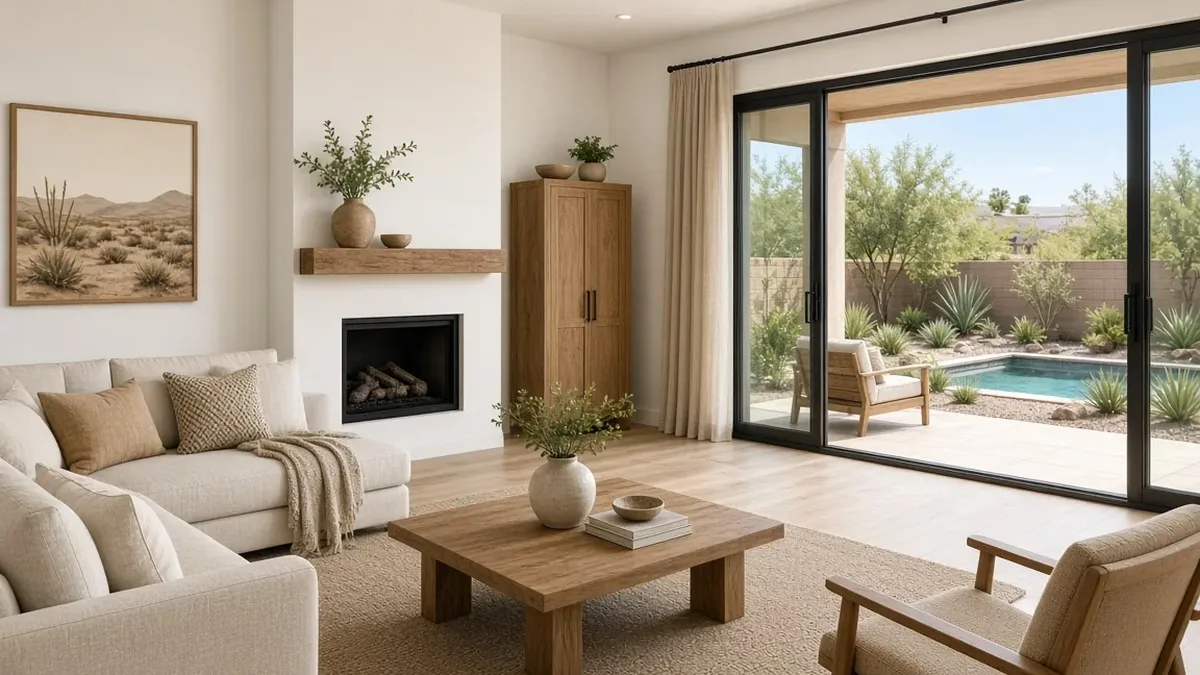
Once you’re live, agents book showings and we market the home every day. Confirm showing requests quickly, keep the home show-ready, and leave during showings so buyers can picture themselves living there.
Your 10-minute pre-showing checklist
- Lights on, blinds open, comfortable temperature.
- Beds made, counters clear, dishes away.
- Toilet lids down, fresh towels out.
- Quick sweep of the entry.
- Lock up and leave for about 45 minutes.
Good to know
- Showing requests: confirm quickly. If a time doesn’t work, tell Wes; every missed showing is a buyer we might lose.
- Pets and valuables: take pets with you; lock up jewelry, cash, medications and important papers.
- Feedback: Wes gathers agent feedback and shares it in your weekly seller update.
- Extra credit: soft music playing in the background.
Next: an offer, and how to review it.
Step 7 of 13
Reviewing offers and counteroffers
Every offer is a package of terms, and the highest price isn’t always the best offer. Compare price, closing date and seller concessions first, then earnest money, loan type, the inspection period and any addendums. With Wes, you can accept, counter or decline each offer.
The big three
- Purchase price
- Closing date
- Closing costs or seller concessions
What else is in an offer
- Buyer’s agent compensation: whether they’re asking you to pay it.
- Earnest money: how much the buyer is putting down.
- Loan type and down payment: cash, conventional, FHA or VA.
- Inspection period: the 10-day default, or a different number.
- Addendums: septic, well, solar, HOA. HOA fees or transfer costs are sometimes negotiated.
- Personal property: fridge, washer and dryer, hot tub and more.
Counteroffers
A counteroffer changes one or more terms and sends the offer back to the buyer. You can counter price, closing date, concessions, the inspection period length or which items stay. Wes writes the counter on the Arizona REALTORS® counteroffer form, and nothing is binding until both sides sign the same final terms. Every term is negotiable.
Compare terms, not just price. A slightly lower offer with a strong loan, fewer contingencies and the closing date you need can be the better deal.
Accept an offer and you’re under contract.
Step 8 of 13
Under contract: escrow opens

When you accept an offer, escrow opens. A neutral title company holds the paperwork and the buyer’s earnest money until closing, your disclosures go to the buyer, and the inspection period clock starts.
What’s happening
- Earnest money goes to escrow.
- Your disclosures: Wes delivers your SPDS (due within 3 days of acceptance under the standard contract) and claims history (within 5 days).
- Title work begins: the title company orders your loan payoff and prepares the title commitment.
- HOA: if you’re in an HOA, the resale disclosure packet is requested, as Arizona law requires (A.R.S. 33-1806).
Your homework
- Keep the home in the same condition, utilities on.
- Give access for inspections, the appraisal and the walkthrough.
- Answer the title company quickly.
- Hold off on removing anything that conveys with the house.
Next: the buyer’s inspection period.
Step 9 of 13
The inspection period

Under the Arizona REALTORS® resale contract, the buyer’s inspection period is 10 days after acceptance unless a different number is written in. The buyer’s inspector spends a few hours in the home, and the buyer may add termite, roof, pool, HVAC or sewer inspections.
How to prepare
- Utilities on; HVAC filters fresh.
- Clear access to the attic, electrical panel, water heater and HVAC.
- Leave remotes and codes out.
- Pets out, and plan to be away.
What inspectors look at
- Roof and attic
- Heating and cooling
- Plumbing and water heater
- Electrical
- Windows and doors
- Appliances, drainage, and signs of pests or water damage
Inspectors find things in every home, even brand-new ones. Don’t take it personally; it’s normal, and we’ll handle it together.
If the buyer wants anything addressed, they send a BINSR.
Step 10 of 13
The BINSR: Buyer’s Inspection Notice and Seller’s Response
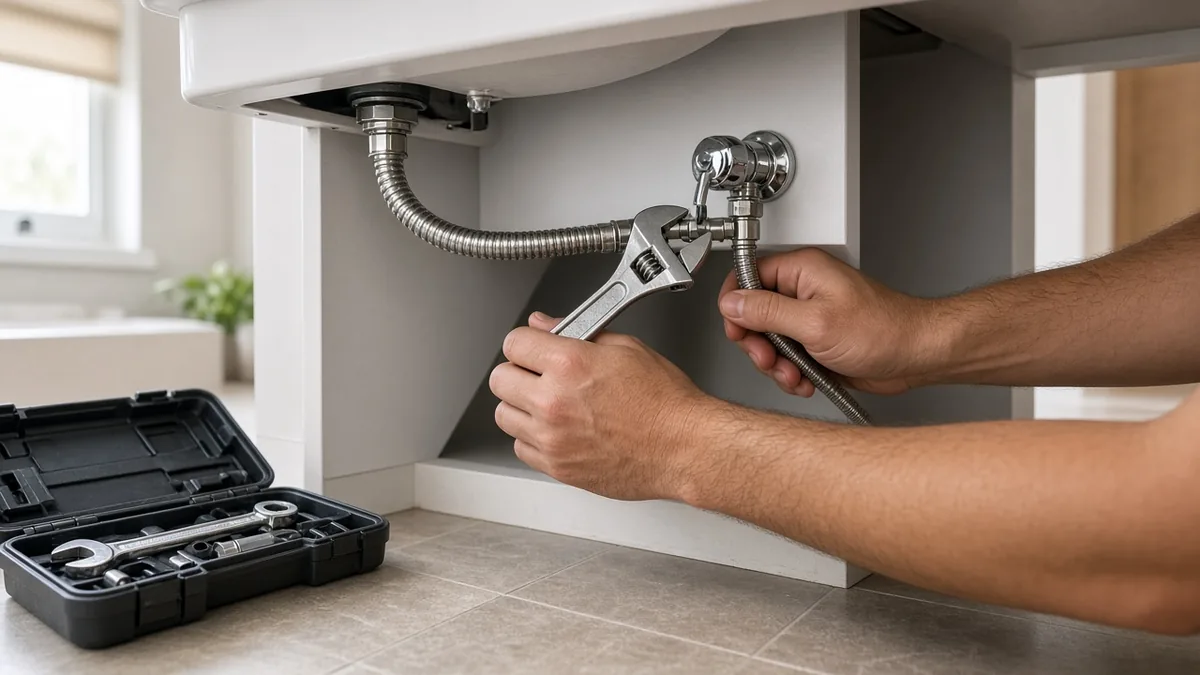
The BINSR (Buyer’s Inspection Notice and Seller’s Response) is the Arizona form a buyer uses during the inspection period to list items they want repaired or addressed. Under the standard contract, the seller has 5 days to respond, no response counts as a refusal, and the buyer then has 5 days to cancel or move forward.
How it works
- The buyer accepts the home as is, cancels, or asks you to fix certain items.
- You respond in writing within 5 days (unless the contract says otherwise): agree, decline, or offer something else, like a credit.
- No response counts as a no.
- If you don’t agree to everything, the buyer has 5 days to cancel and get the earnest money back, or move forward.
If you agree to repairs
- The contract calls for repairs in a workmanlike manner.
- Use licensed contractors where required and keep paid receipts.
- Receipts go to the buyer 3 days before closing unless otherwise agreed.
- Finish before the final walkthrough.
Verbal agreements don’t extend contract deadlines. Only a written agreement signed by both parties does, so every BINSR answer goes through Wes in writing.
Next: the appraisal, if the buyer has a loan.
Step 11 of 13
The appraisal
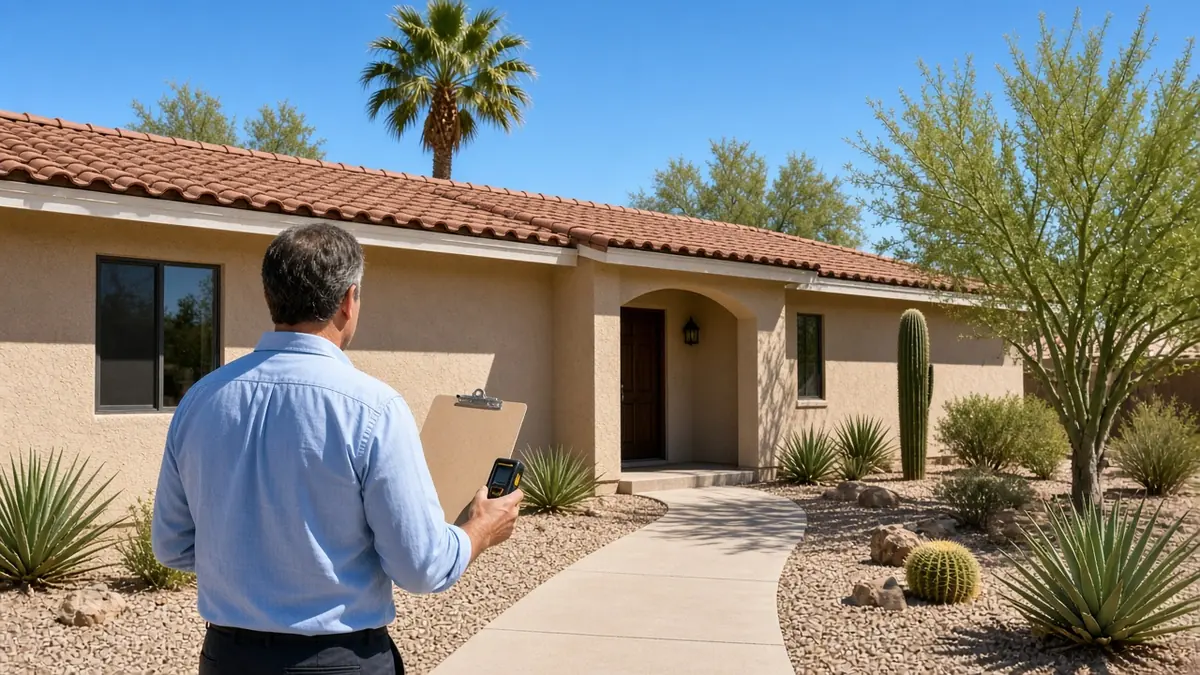
If the buyer is financing, the lender orders an independent appraisal to confirm the home is worth at least the price. Cash buyers may skip it. If the value comes in low, the standard contract gives the buyer 5 days after notice to cancel, and many deals are renegotiated instead.
How to prepare
- Show-ready, just like a showing.
- Clear access; remotes and codes out.
- A list of your updates with dates. Wes sends it with the sales that support your price.
If it comes in low
- The buyer covers the gap,
- the price adjusts,
- you split the difference, or
- we ask the lender for a reconsideration of value. Wes negotiates it with you.
Step 12 of 13
Title, final walkthrough and closing
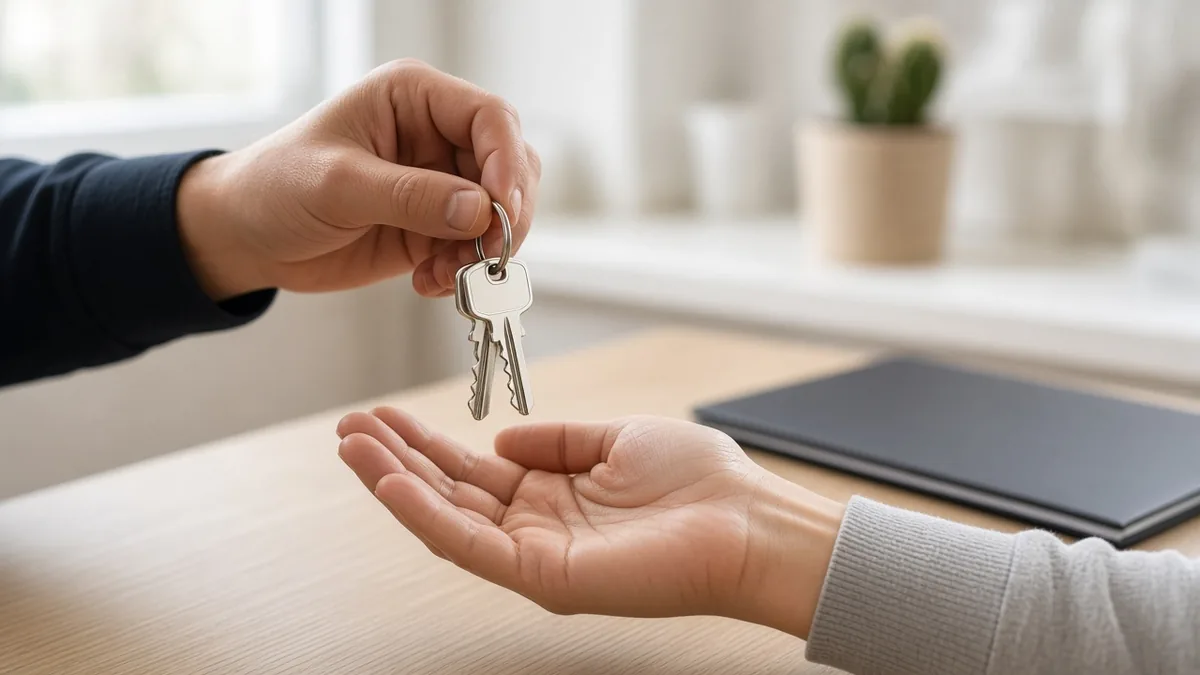
The title company is a neutral third party that runs escrow: it holds the money, insures the title, pays off your loan and records the deed. In Arizona, closing (close of escrow) happens when the deed records with the county recorder, and possession transfers then unless you agreed otherwise.
Your homework
- Return title paperwork quickly.
- Confirm wiring instructions by phone at a number you already have. Wire fraud is real.
- Sign your closing documents, often a few days before closing. Bring photo ID.
- Keep utilities and insurance on until the sale records.
Move-out and walkthrough
- Final walkthrough: the buyer confirms the home is in substantially the same condition and agreed repairs are done.
- Move-out: leave it clean, with all keys, remotes, fobs, gate codes and manuals.
- Closing day: the deed records, the sale is final, and the buyer gets the keys unless you agreed otherwise.
Next: after closing.
Step 13 of 13
After closing

Congratulations, you’ve sold your home. Keep your settlement statement for taxes, cancel insurance and utilities once the sale records, and watch for any final refunds from escrow or your old lender.
Your homework
- Keep your settlement statement for your tax preparer.
- Update your address.
- Cancel insurance and utilities once it records.
- Watch for final refunds from escrow or your lender.
Staying in touch
- Wes is here wherever you land next, with check-ins and market updates.
- Buying next? Read the Arizona buying guide.
- Loved working with us? Leave a quick Google review.
Arizona contract timelines
Key Arizona deadlines for sellers.
These are the default time periods in the Arizona REALTORS® Residential Resale Real Estate Purchase Contract (February 2026 version). Many can be changed in the contract, and every term is negotiable. Your signed contract controls, so Wes tracks your actual dates from day one.
| Deadline | Default timing | Who acts |
|---|---|---|
| Inspection period | 10 days after acceptance | Buyer inspects and investigates |
| SPDS delivered | 3 days after acceptance | Seller |
| Insurance claims history (CLUE) | 5 days after acceptance | Seller |
| Seller’s BINSR response | 5 days after buyer’s notice | Seller; no response = refusal |
| Buyer’s decision after BINSR response | 5 days | Buyer: cancel or proceed |
| Low appraisal cancellation | 5 days after notice of value | Buyer (appraisal contingency) |
| Repair receipts | 3 days before closing | Seller |
| Close of escrow | When the deed records | Title company and county recorder |
Source: Arizona REALTORS® Residential Resale Real Estate Purchase Contract, February 2026. General information, not legal advice.
Keep going
More for Arizona sellers.
Sell with Wes
Open →Seller hub
Open →Home value
Open →Market report
Open →Client reviews
Open →Buying next?
Open →Selling in a specific city? See the Gilbert, Chandler, Mesa, Queen Creek, San Tan Valley, Scottsdale and Tempe guides, or this week’s best deals to see your competition. Ready to prep? Work through the home seller checklist, estimate your take-home with the seller net proceeds calculator, get quick answers in the real estate FAQ, or browse every guide on our resources page. Prefer it on your phone? Open the Seller Homework.
Questions
Arizona home seller questions.
What are the steps to sell a house in Arizona?
Price the home from recent comparable sales, prep and photograph it, list it, hold showings, review offers and counteroffers, then work through escrow: the 10-day inspection period, the BINSR repair response, the appraisal if the buyer has a loan, the final walkthrough and closing, which happens when the deed records with the county recorder.
How long is the inspection period in Arizona?
Under the Arizona REALTORS® residential resale purchase contract, the buyer’s inspection period is 10 days after contract acceptance unless the parties write in a different number. It’s negotiable.
What is a BINSR in Arizona real estate?
The BINSR is the Buyer’s Inspection Notice and Seller’s Response, the Arizona REALTORS® form a buyer uses to list items to be repaired or addressed. Under the standard contract the seller has 5 days to respond, no response counts as a refusal, and if items won’t be corrected the buyer has 5 days to cancel or proceed.
Does an Arizona seller have to fix everything on the BINSR?
No. The seller can agree, decline, or offer something else such as a credit. If the seller doesn’t agree to every item, the buyer decides within 5 days whether to cancel and receive the earnest money back or move forward without those items.
What disclosures does an Arizona home seller provide?
Under the standard Arizona REALTORS® contract, the seller delivers a Seller’s Property Disclosure Statement (SPDS) within 3 days after acceptance and a five-year insurance claims history within 5 days. Homes in an HOA also have resale disclosures under A.R.S. 33-1806. When in doubt, disclose.
What happens if the appraisal comes in low?
If the buyer’s contract includes the appraisal contingency, the buyer has 5 days after notice of a low appraised value to cancel and receive the earnest money back. Many deals are renegotiated instead: the buyer covers the gap, the price adjusts, or both sides split it.
When does closing happen in Arizona?
Close of escrow happens when the deed is recorded at the county recorder’s office. Possession and keys normally transfer at that point unless the buyer and seller agreed otherwise in writing.
Is the highest offer always the best offer?
Not always. Compare price, closing date and seller concessions first, then earnest money, loan type, inspection period, and any addendums. A clean offer with a strong loan and the timing you need can net you more or carry less risk.

Written by
Wes Bender
Wes Bender is an Arizona REALTOR®, licensed since 2014, and leads Bender Group AZ with Lisa Bender at Done Deal Brokerage in Chandler. He walks sellers across the Phoenix area through every step in this guide. More about Wes.
Ready when you are
Thinking about selling?
Get a pricing and strategy review for your home, with no pressure and no obligation.
Bender Group AZ, Wes and Lisa Bender
Done Deal Brokerage, 698 N Iowa St, Chandler, AZ 85225
(602) 844-4278 · [email protected]
This guide is general information about the typical Arizona resale process, not legal, tax or financial advice. Contract terms are negotiable and your signed contract controls.